in
TR EN

A reliable path to gluten-free production

Gluten-Free

Request a Quote ›

WHAT IS GLUTEN?

Gluten is a group of proteins naturally found in cereals such as wheat, rye and barley. During dough mixing, these proteins form a flexible, resilient network. This network allows the dough to be shaped, fermented, gain volume during baking and move consistently through the production line.

Gluten-free dough lacks this supporting structure. It may be sticky, fragile and sensitive to change; therefore, simply applying a gluten-free recipe is not enough for high-quality, repeatable production.

Preserving the texture of a gluten-free product depends on planning the recipe, raw-material selection, dough processing, shaping and baking parameters together.

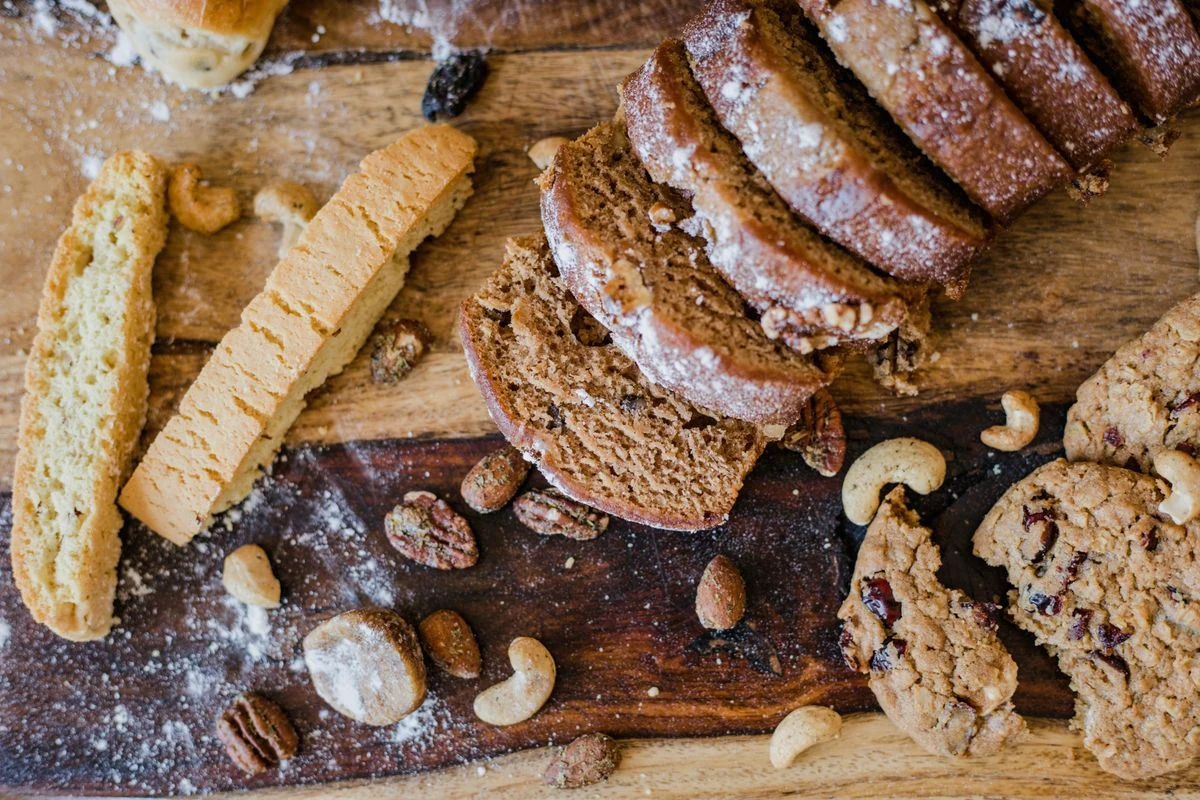
Gluten-free bread, bakery products and nuts on a wooden board

THE IMPACT OF GLUTEN ON PRODUCTION

The presence or absence of gluten affects not only flavor, but also dough structure, volume, processability and shelf life.

DOUGH STRUCTURE

The foundation of every workable dough

Gluten proteins give dough a flexible, strong structure. They allow it to be folded, shaped and processed without tearing during production.

VOLUME & TEXTURE

Where lightness and crumb structure come from

The gluten network retains the carbon dioxide produced during fermentation. This gives the product a higher-volume, open and light internal texture.

PROCESSABILITY

For continuous flow through the production line

Elastic, consistent dough behavior enables dividing, folding, shaping and cutting to run at high speed and with predictable results.

SENSITIVITY TO WATER

Small changes make a big difference

The protein network is more tolerant of small changes in water ratio. Dough remains more stable between batches within the normal water range.

SHELF LIFE & TEXTURE

How long does the product stay fresh?

The gluten network helps retain moisture. Bread and bakery products may retain their softness for several days.

RECIPE COMPLEXITY

The components needed to achieve the desired result

A standard bread recipe may use 4–6 components to achieve the desired structure and texture.

GLUTEN-FREE DOUGH REQUIRES A SPECIAL PROCESS

Developing a gluten-free product is not simply choosing corn, rice or another flour. Each raw material contributes differently in terms of water retention, gas formation, structure and baking behavior.

For this reason, production equipment should be selected according to the dough structure and designed to avoid unnecessary stress during mixing, sheeting, folding, dividing and shaping.

At ENDOTEK, we analyze the target product's recipe, weight, texture and production scenario to determine the right combination of equipment and process together with you.

FROM R&D TO PRODUCTION

A successful gluten-free product requires more than a perfect recipe. When material expertise, process knowledge and practical product testing are used together, an idea becomes a producible finished product.

The target consumer and market are defined; the product family, recipe combinations, process parameters and scalability are evaluated together.

01

Raw Material Selection

Evaluation of flours, starches, proteins, fibers, oils and binder systems suited to the product concept.

02

Recipe & Process Development

Optimizing water ratio, consistency, gas formation, shape retention, baking and shelf stability together.

03

Pilot & Serial Production

Translating laboratory and pilot results into industrial capacity, stable production and scalable line design.

Ready to develop your gluten-free product together?

Tell Us About Your Project ›
CONTACT